

Are you dreaming of getting a global degree without breaking your piggy bank? Many students want to study in a new country but worry deeply about the massive expenses. Finding the cheapest countries to study abroad is the best way to change your life without falling into heavy student debt.
Fortunately, you do not need to spend a massive amount to get a world-class degree. Many countries offer excellent university systems that cost a small fraction of what you would pay in the United States or the United Kingdom. This comprehensive guide will help you find those hidden gems.
In this article, we will look closely at the 10 Cheapest Countries to Study Abroad! We will also reveal how these nations are unveiling the finest education system worldwide for international students on a budget. Let us dive into the details.
Factors to Consider for Affordable Study Abroad Options
When you are searching for the cheapest countries to study abroad, you must look at more than just the university price tag. A low tuition fee is great, but what if the local rent is incredibly high? To find a truly budget-friendly destination, you should look at these ten critical factors.
1. Tuition Fees
This is usually the biggest expense for any student. Some countries offer free college for everyone, while others charge specific fees for students who come from outside Europe. You must check if the public universities in your dream country have different price rules for international students.
2. Cost of Living
This factor includes your monthly house rent, grocery bills, bus tickets, and fun activities. A country might have very cheap college fees but highly expensive apartments. Always look at the total monthly cost to live comfortably as a student.
3. Scholarships and Financial Aid
Many foreign governments and universities want to attract smart global students. Therefore, they offer fully funded or partial scholarships. These financial aids can cover your school fees or even give you monthly pocket money for food and rent.
4. Part-Time Job Opportunities
Working while you study is a fantastic way to pay for your daily coffee and rent. Most countries allow foreign students to work up to 20 hours per week during normal school terms. However, you should check the local rules because some nations have strict work limits.
5. Safety and Quality of Life
Your peace of mind is worth more than money. The cheapest destinations must also be safe places where you can walk at night without fear. Good public healthcare, clean parks, and friendly local people make your student life much better.
6. Language
If you do not speak the local language, you will need to find courses taught completely in English. Some countries offer free education only if you study in their official local language. Learning a few local words will also help you find a job easily.
7. Employment Opportunities
What happens after you finish your degree? You should choose a country that gives international graduates a post-study work visa. This allows you to stay back, search for a professional job, and start earning back the money you spent on your education.
8. Currency Exchange Rate
The strength of your home currency against the local money matters a lot. If the local currency is weak compared to your home money, your daily expenses will feel much cheaper. Keep an eye on these currency changes when planning your move.
9. Medical Costs
Staying healthy is very important when you live far from home. Many countries force international students to buy mandatory health insurance. You must check whether this insurance is cheap and what kind of hospital visits it covers.

10 Most Affordable Countries to Study Abroad
Now, let us explore the 10 Cheapest Countries to Study Abroad! These options provide the perfect mix of low prices and fantastic educational standards.
1. Germany
Germany is a paradise for budget students because its public universities do not charge any tuition fees for undergraduate degrees. This rule applies to all students, no matter where they come from. You only need to pay a small administrative fee each semester, which usually covers free public transit.
- Average Tuition Fees: €0 (Public Universities); €150 to €350 per semester for administration.
- Monthly Living Costs: €950 to €1,200.
- Language of Instruction: Mostly German for Bachelor’s, many English options for Master’s.
2. Norway
Norway used to offer completely free college for everyone. However, recently, public universities started charging non-European Union students. Despite this change, it remains an attractive destination because of its high safety and breathtaking nature. If you come from Europe, it is still free.
- Average Tuition Fees: Free for EU students; €11,000 to €35,000 per year for non-EU students.
- Monthly Living Costs: €1,100 to €1,800 (Very high living standard).
- Language of Instruction: English and Norwegian.
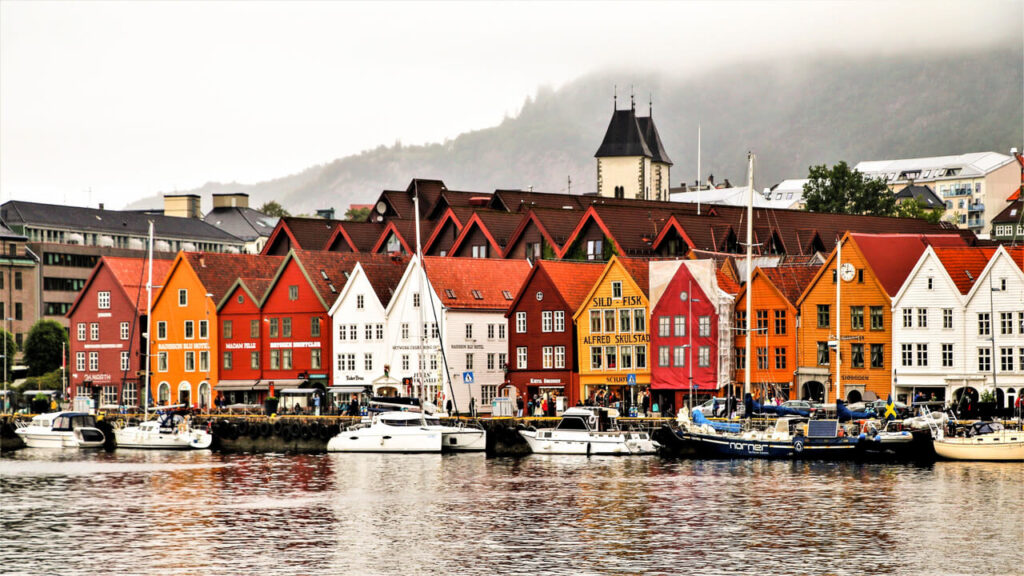
3. Poland
Poland is quickly becoming a top spot for international students. It offers very low tuition fees and some of the cheapest rent rates in the European Union. The universities follow global standards, meaning your degree will be respected everywhere.
- Average Tuition Fees: €2,000 to €4,000 per year.
- Monthly Living Costs: €500 to €750.
- Language of Instruction: Polish and a wide selection of English courses.
4. France
France offers high-quality university systems with very low costs at public institutions. While private schools are costly, public universities are highly subsidized by the French government. This makes living in historic French towns highly affordable, though Paris remains expensive.
- Average Tuition Fees: €2,770 per year for Bachelor’s; €3,770 per year for Master’s (Non-EU).
- Monthly Living Costs: €800 to €1,200 (Higher in Paris).
- Language of Instruction: French and English.
5. Malaysia
If you want to study in Asia, Malaysia is one of the cheapest countries to study abroad. Kuala Lumpur is a modern city with ultra-low food and housing costs. Many famous British and Australian universities have branch campuses here, allowing you to get a Western degree at a third of the price.
- Average Tuition Fees: $3,000 to $7,000 USD per year.
- Monthly Living Costs: $400 to $600 USD.
- Language of Instruction: English is widely used in universities.
6. Taiwan
Taiwan combines world-beating technology programs with highly reasonable living costs. The Taiwanese government offers wonderful scholarships that cover your entire tuition and give you a monthly stipend. Food here is incredibly cheap and delicious.
- Average Tuition Fees: $1,500 to $3,500 USD per year.
- Monthly Living Costs: $500 to $700 USD.
- Language of Instruction: Mandarin and English.
7. Mexico
Mexico offers rich culture, beautiful beaches, and incredibly low living expenses. Public universities charge very tiny amounts for international applicants. It is a fantastic destination if you want to learn Spanish while getting a high-quality degree.
- Average Tuition Fees: $1,000 to $5,000 USD per year.
- Monthly Living Costs: $300 to $500 USD.
- Language of Instruction: Mostly Spanish, with some English options.
8. Hungary
Hungary offers top-tier European education without the high western price tag. Cities like Budapest are filled with student life and history. The Hungarian government also runs the famous “Stipendium Hungaricum” scholarship, which covers tuition, medical insurance, and accommodation for thousands of international students.
- Average Tuition Fees: €2,000 to €6,000 per year.
- Monthly Living Costs: €500 to €700.
- Language of Instruction: English (Very popular for medical and engineering fields).

9. Czech Republic
If you can learn the Czech language, you can study completely for free at any public university here. However, even if you choose to study in English, the fees are still very low compared to Western Europe. Prague is safe, beautiful, and highly affordable for young students.
- Average Tuition Fees: Free (In Czech language); €2,000 to €5,000 per year (In English).
- Monthly Living Costs: €500 to €800.
- Language of Instruction: Czech and English.
10. Argentina
Argentina is the budget capital of South America for students. Public universities are tuition-free for everyone, including foreign students. While economic inflation is high, using foreign currency makes the real cost of rent and food incredibly cheap for outsiders.
- Average Tuition Fees: Free at public universities for undergraduate programs.
- Monthly Living Costs: $300 to $500 USD.
- Language of Instruction: Mostly Spanish.
Cost Comparison Across Top Destinations
To help you compare your choices instantly, we have built a clear table showing the average annual tuition and monthly living costs.
| Country | Annual Tuition Fee (Average) | Average Monthly Living Cost | Key Budget Advantage |
|---|---|---|---|
| Germany | €0 (Public) | €950 – €1,200 | No tuition fees at all |
| Norway | €11,000 – €35,000 (Non-EU) | €1,100 – €1,800 | High safety and lifestyle |
| Poland | €2,000 – €4,000 | €500 – €750 | Cheap European rent |
| France | €2,770 – €3,770 | €800 – €1,200 | Government subsidies |
| Malaysia | $3,000 – $7,000 USD | $400 – $600 USD | Cheap Western branch campuses |
| Taiwan | $1,500 – $3,500 USD | $500 – $700 USD | Excellent tech scholarships |
| Mexico | $1,000 – $5,000 USD | $300 – $500 USD | Lowest living costs in North America |
| Hungary | €2,000 – €6,000 | €500 – €700 | Great medical programs |
| Czech Republic | €2,000 – €5,000 | €500 – €800 | Free if studied in Czech |
| Argentina | Free (Public) | $300 – $500 USD | Free undergraduate degrees |

Unveiling the Finest Education System Worldwide on a Budget
When we talk about unveiling the finest education system worldwide, we mean finding universities that offer the highest ranking without demanding a crazy amount of money. Countries like Germany and France use their tax money to pay for your education. Consequently, you receive a world-class degree that employers respect, while saving thousands of dollars.
Furthermore, choosing an affordable country does not mean you are getting a low-quality education. For example, German technical universities are global leaders in engineering. Similarly, Malaysia hosts high-ranking institutions like Universiti Malaya, which sits comfortably in the global top 100 lists. By choosing smart, you get both premium education and low prices.
Conclusion
Finding the cheapest countries to study abroad is a smart move for your future career and your wallet. You can pick Germany for free tuition, Malaysia for cheap English-taught courses, or Poland for low European living costs. Every single option on this list allows you to earn a powerful degree without drowning in debt. Therefore, look at your budget, think about the language requirements, and start your global journey today!
Sources of Information
- DAAD Germany (Official German Academic Exchange Service reports 2026)
- Campus France (Official national agency for French higher education data 2025/2026)
- Study in Norway Portal (Tuition guidelines and Eurostudent 8 national surveys)
- Ministry of Higher Education Malaysia (International student enrollment and fee structures)
- Numbeo Database (Global student cost of living index updates 2026)
 Follow us on Google News for latest Scholarships!