

If you are planning to study abroad and are trying to find the cheapest city in Germany for international students, then this post is for you. Germany has become a dream destination for international students from all over the world because of its tuition-free education and high standard of life.
However, living costs can vary greatly depending on which city you choose. Undoubtedly, finding an affordable place to stay is the biggest concern for most newcomers. While cities like Munich and Frankfurt are famous for high salaries, they are also quite expensive. On the other hand, many smaller cities offer the same quality of education at a fraction of the cost.
In this article, we will explore the cheapest cities in Germany for international students and provide a detailed breakdown of expenses, visas, and job opportunities.
Cheapest City in Germany for International Students: Which City Is Low Cost?
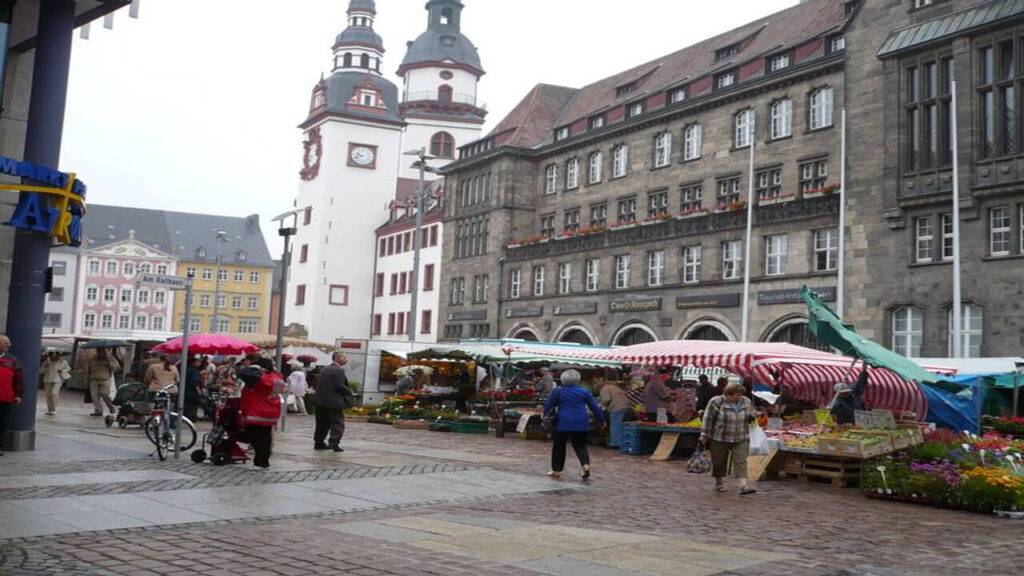
When we talk about the cheapest city in Germany for international students, Chemnitz and Magdeburg usually top the list. As a matter of fact, these cities in the eastern part of Germany offer incredibly low rent and daily expenses. Basically, you can live a decent life here on a budget that would barely cover rent in a city like Munich.
Which part of Germany is the cheapest?
Generally, the eastern states (formerly East Germany) such as Saxony, Saxony-Anhalt and Thuringia are much more affordable than the southern or western states like Bavaria or Baden-Württemberg. Accordingly, cities in these regions are perfect for students who want to save money.
10 Cheapest Cities in Germany for International Students (2026)
If you are trying to find the best city to live in Germany for students while keeping your wallet full, consider these 10 options. Comparatively, these cities offer the best balance between quality of life and affordability.
- Chemnitz: Often called the cheapest city in Germany for international students. Rent is extremely low, often around €230–€260 for a shared room.
- Magdeburg: A beautiful city by the Elbe river. It is very welcoming and has many affordable housing options near the university.
- Halle (Saale): Known for historical architecture and low mobility costs. Everything is within walking distance.
- Leipzig: Frequently labeled “the new Berlin.” It has a thriving art scene but remains one of the cheapest cities in Germany for rent.
- Erfurt: A peaceful and friendly city with over 10,000 students. It offers a very high quality of life for a low price.
- Bielefeld: A small town where “everything is close.” Additionally, many local transport options are free for students.
- Dresden: The capital of Saxony. It is the best city in Germany to live and work if you are into engineering and high-tech research.
- Jena: A classic university town. While slightly more expensive than Chemnitz, it is still far cheaper than western cities.
- Potsdam: Located on an island, it provides great exposure to nature while being very close to Berlin for jobs.
- Aachen: Located near the borders of Belgium and Netherlands. It is the best place to live in Germany for English speakers in the STEM field due to the famous RWTH Aachen university.

Living Expenses and Budgeting: Is 3,000 Euros Enough?
Is 3,000 euros enough to live in Germany? In a word: Yes. Actually, for a student, €3,000 is a very large amount for a single month. To clarify, the German government requires a “Blocked Account” (Sperrkonto) with €11,904 per year, which works out to about €992 per month. Consequently, if you have €3,000, you are living very comfortably. Most students spend between €850 and €1,200 per month total.
Expenses: Tuition Fees and Living Costs (Comparison Table)
| Expense Category | Cheapest Cities (e.g., Chemnitz) | Expensive Cities (e.g., Munich) |
|---|---|---|
| Average Rent (Warm) | €250 – €400 | €700 – €1,200 |
| Food & Groceries | €200 – €250 | €300 – €400 |
| Health Insurance | €125 | €125 |
| Semester Fee | €200 – €350 | €150 – €300 |
| Internet & Mobile | €30 | €40 |
| Total Monthly | €800 – €1,100 | €1,300 – €2,000+ |
Comparison: Germany vs UK vs USA vs Australia
Undoubtedly, Germany is the winner when it comes to affordability. As shown above, the lack of tuition fees makes it much cheaper than English-speaking countries.
Table 2: Global Student Cost Comparison (Yearly)
| Feature | Germany | United Kingdom | USA | Australia |
|---|---|---|---|---|
| Tuition Fees | €0 – €3,000 | £18,000 – £35,000 | $30,000 – $60,000 | AUD 30,000+ |
| Living Costs | €11,000 – €14,000 | £12,000 – £18,000 | $15,000 – $25,000 | AUD 24,000+ |
| Degree Duration | 3 (UG) / 2 (PG) | 3 (UG) / 1 (PG) | 4 (UG) / 2 (PG) | 3 (UG) / 2 (PG) |
| Work Permit | 20 Hours/Week | 20 Hours/Week | Limited (On-Campus) | 24 Hours/Week |

Job Opportunities and the Best City to Live and Work
Which city in Germany has more job opportunities?
If your goal is to find work quickly, Munich, Hamburg and Frankfurt are the leaders. Frankfurt is the center for finance, while Munich leads in engineering (BMW, Siemens). However, for startups and creative industries, Berlin is the best city to live in Germany for foreigners.
Best city in germany to live and work:
For many, Leipzig or Dresden are the best choices because they offer a mix of low living costs and a growing tech sector (Silicon Saxony). You can live in the cheapest city in Germany to buy a house (like areas near Chemnitz or Magdeburg) while working a high-paying tech job remotely or in a nearby hub.
Student Visa Requirements for 2026
To study in the cheapest city in Germany for international students, you must first clear the visa process. Following is the updated data for 2026:
- Student Visa Success Rate: ~85% (High for Germany).
- Processing Time: Approx. 4–12 weeks.
- Student Visa Fees: €75 (Approx. 9,500 BDT).
- Bank Balance (Blocked Account): €11,904 for 1 year.
- IELTS Requirements: Usually 6.0 or 6.5 for English programs.
- Visa Age Limit: No official limit, but explain gaps over 3–5 years.
- Visa with Spouse: Possible (Family Reunion Visa), but requires extra funds and space.
Student Visa Documents Checklist:
- Valid Passport.
- Admission Letter (Zulassungsbescheid).
- Proof of Blocked Account.
- Academic Certificates & Transcripts.
- IELTS/TOEFL or German Language Certificate.
- Health Insurance (Incoming).
- Motivation Letter & CV.
Tuition-Free Universities in Germany
Important to realize, almost all public universities in Germany are tuition-free for international students (except in the state of Baden-Württemberg where they charge €1,500 per semester).
- Technical University of Munich (TUM)
- Ludwig Maximilian University (LMU)
- University of Heidelberg
- RWTH Aachen
- Humboldt University of Berlin
Limitations and Challenges
Although this may be true, living in the cheapest cities has some downsides:
- Language Barrier: In smaller cities like Chemnitz or Magdeburg, fewer people speak English compared to Berlin.
- Job Market: While living is cheap, the local job market might be smaller than in Munich.
- Housing Crisis: Even in “cheap” cities, finding a room (WG) can take time. Consequently, you must start searching 3 months before you arrive.
Cheapest City in Germany for International Students: Important FAQs
Which city is cheapest for international students in Germany?
Basically, Chemnitz is widely considered the cheapest, followed by Magdeburg and Halle.
Is it possible to study for free in Germany?
Certainly. Most public universities charge zero tuition. You only pay a “Semester Contribution” of €200–€350.
Can I work while studying in Germany?
Yes. International students can work 120 full days or 240 half days per year (approx. 20 hours per week).
How much bank balance is required for a German student visa in 2026?
You need €11,904 in a Blocked Account to cover your first year of living expenses.
Scholarship/Grants Websites:
Last Opinion
Germany has become one of the most attractive destinations for students who want a world-class degree without the burden of heavy student loans. In conclusion, we can say that finding the cheapest city in Germany for international students is the smartest way to start your journey. Whether you choose the historical charm of Erfurt or the industrial energy of Chemnitz, you are getting a world-class education for a very low price. Above all, remember that your biggest savings will come from cooking at home and using your student semester ticket for travel. Undoubtedly, Germany is waiting for you!
Sources of Information:
- Waitly Student Housing Report 2026
- Statistisches Bundesamt (Federal Statistical Office of Germany) 2026
- DAAD (German Academic Exchange Service) Cost of Living Guide
- German Embassy Dhaka – Visa Information Sheet 2026
 Follow us on Google News for latest Scholarships!