

Studying the human brain is highly fascinating, but combining it with criminal investigations creates an incredibly exciting academic study. For this reason, international students frequently ask: what is forensic psychology and how can someone build a global career in this sector? Essentially, this unique field serves as the intersection where the science of human behavior directly meets the legal system.
Choosing this study curriculum allows you to solve complex legal riddles, analyze criminal minds, and help courts achieve true justice. Furthermore, the global demand for behavioral experts is growing rapidly within modern correctional facilities, government institutions, and legal networks. Therefore, finding a suitable professional niche can lead to an immensely fulfilling and highly lucrative lifetime journey.
In this definitive guide, we will thoroughly explain the foundations of what is forensic psychology. Moreover, we will review 20 types of forensic psychology jobs with salary metrics to map your educational future perfectly. Let us begin uncovering these magnificent career trajectories.
What Is Forensic Psychology?
To understand what is forensic psychology, one must examine how clinical psychological practices operate inside the law. Basically, a specialist in this field applies scientific research and psychological testing to civil and criminal legal matters. Unlike traditional therapists who help clients resolve personal emotional struggles, forensic practitioners assist judges, lawyers, and police officers.
For example, these professionals answer critical questions regarding whether a suspect is mentally competent to stand trial. Additionally, they assess the validity of eye-witness testimonies, build criminal profiles, and offer expert testimony in courtrooms. Consequently, their scientific insights shape major judgments, sentencing structures, and rehabilitation strategies worldwide.
20 Types of Forensic Psychology Jobs with Salary Ranges
If you are eager to join this dynamic discipline, it helps to understand your financial and professional prospects. Below is a detailed review of 20 types of forensic psychology jobs with salary figures, required education levels, and duties.
1. Expert Witness
These senior practitioners evaluate legal evidence and deliver authoritative, objective psychological opinions directly to judges and juries during trials.
- Median Salary: $135,000 per year (Often billed at high hourly consultation rates).
- Employment Rise: 6% steady expansion.
- Education: Doctorate (Ph.D. or Psy.D.) plus specialized state licensing.
- Key Details: Program duration spans 5–7 years. Foreign applicants must pass strict local licensing exams (like the EPPP) to testify legally.
2. Behavioral Health Director
These executive managers oversee mental health departments, manage clinical budgets, and direct counseling strategies within large correctional or hospital networks.
- Median Salary: $123,219 per year.
- Employment Rise: 28% rapid growth.
- Education: Master’s in Healthcare Administration or Ph.D. in Psychology.
- Key Details: High-tech administrative facilities are standard. It offers amazing corporate visa sponsorship options for experienced international administrators.

3. Forensic Neuropsychologist
They analyze how localized physical brain injuries or cognitive illnesses influence criminal actions and a defendant’s long-term memory capacity.
- Median Salary: $120,000 per year.
- Employment Rise: 11% fast expansion.
- Education: Doctorate in Neuropsychology plus a specialized clinical fellowship.
- Key Details: Course duration involves 7 years of post-secondary study. Universities feature amazing neuroimaging laboratory facilities.
4. Licensed Forensic Psychologist
The core professional path focused on evaluating offenders, calculating recidivism risks, and preparing comprehensive diagnostic reports for courts.
- Median Salary: $117,580 per year (Aligned with the U.S. Bureau of Labor Statistics “Psychologists, All Other” category).
- Employment Rise: 4.3% consistent growth.
- Education: Ph.D. or Psy.D. in Clinical or Forensic Psychology.
- Key Details: Requires roughly 4,000 hours of supervised clinical residency. Excellent job security exists within state and federal government offices.
5. Private Consultant
They work independently, offering tailored behavioral profiles, jury selection advice, and specialized screening blueprints directly to private law firms.
- Median Salary: $105,000 per year.
- Employment Rise: 7% steady growth.
- Education: Doctorate or highly specialized Master’s degree.
- Key Details: Allows for flexible remote telehealth operations. It provides superb entrepreneurial freedom for global specialists.

6. Clinical Psychologist (Corrections Focus)
These therapists provide direct psychological counseling, trauma recovery, and anger management groups inside prison walls.
- Median Salary: $100,580 per year.
- Employment Rise: 11.2% rapid expansion.
- Education: Ph.D. or Psy.D. in Clinical Psychology.
- Key Details: Annual tuition scales from free (in Germany) to $40,000 USD. Immediate job opportunities are available due to widespread hospital shortages.
7. Industrial-Organizational Consultant (Legal Sector)
They apply behavioral science to optimize human resource protocols, workplace safety, and management structures within law enforcement bodies.
- Median Salary: $109,840 per year.
- Employment Rise: 6.3% stable demand.
- Education: Master’s or Bachelor’s degree in I-O Psychology.
- Key Details: Program duration is 2–4 years. Highly compatible with multi-year STEM post-study work visa extensions abroad.
8. University Professor
They instruct undergraduate or graduate students in criminal psychology theory while publishing original research papers on legal-behavioral intersections.
- Median Salary: $83,980 per year.
- Employment Rise: 5% steady growth.
- Education: Ph.D. in Psychology or Criminology.
- Key Details: Universities offer brilliant academic facilities. This career path provides exceptional immigration options through research visa pathways.
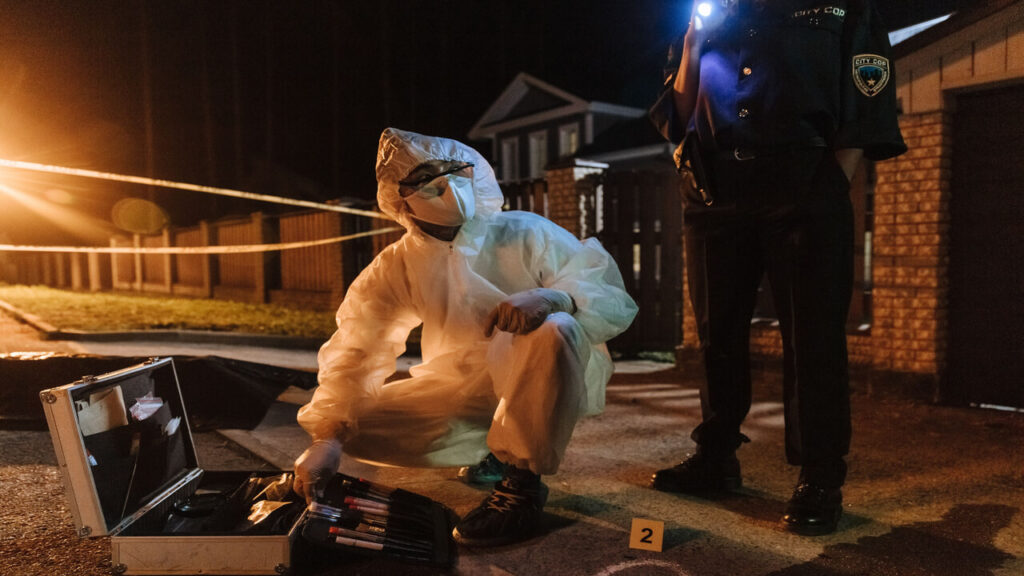
9. Criminal Profiler
They study crime scene clues, behavioral patterns, and psychological traits to help police forces identify unknown suspects.
- Median Salary: $82,375 per year.
- Employment Rise: 5% standard growth.
- Education: Master’s degree in Forensic Psychology or extensive law enforcement training.
- Key Details: Course duration is 2 years. Positions are highly competitive, requiring impeccable observation and analytical talents.
10. Investigative/Detective Psychologist
These professionals work within police departments, evaluating interrogation records and structuring psychological methods to extract accurate witness statements.
- Median Salary: $80,876 per year.
- Employment Rise: 7% consistent demand.
- Education: Master’s or Doctorate in Applied Psychology.
- Key Details: Provides direct exposure to real-world criminal investigations alongside specialized police tactical units.
11. Occupational Health Specialist
They inspect healthcare and prison environments to minimize structural stressors, ensuring safety for both staff and inmates.
- Median Salary: $78,570 per year.
- Employment Rise: 13% rapid growth.
- Education: Bachelor’s or Master’s degree in Occupational Health or Psychology.
- Key Details: Highly practical 3-to-4-year programs with broad corporate placement opportunities across international sectors.
12. Forensic Research Analyst
They run statistical models to study patterns in crime, the effectiveness of prison rehabilitation, and why certain individuals repeat offenses.
- Median Salary: $76,950 per year.
- Employment Rise: 11% fast expansion.
- Education: Master’s degree in Data Analytics, Psychology, or Criminology.
- Key Details: Ideal for individuals who prefer running software and conducting laboratory data calculations over direct criminal interaction.

13. Substance Abuse Counselor
They build rehabilitation frameworks to help offenders overcome heavy drug and alcohol dependencies, which are often the root causes of illegal actions.
- Median Salary: $59,190 per year.
- Employment Rise: 14% massive growth.
- Education: Master’s degree or professional postgraduate certificate.
- Key Details: Highly affordable tuition layout. Widespread staff vacancies ensure rapid employment permit generation for global graduates.
14. Juvenile Justice Counselor
These specialists provide therapy and behavioral guidance specifically tailored to minors housed inside juvenile detention centers.
- Median Salary: $63,780 per year.
- Employment Rise: 8% steady expansion.
- Education: Master’s in Counseling or Developmental Psychology.
- Key Details: Program length spans 2 years. Focuses heavily on family dynamics, trauma intervention, and early behavioral correction.
15. Probation Officer
They supervise individuals who have been released from jail, checking their behavior regularly to ensure they follow court orders safely.
- Median Salary: $61,330 per year.
- Employment Rise: 4% stable growth.
- Education: Bachelor’s degree in Criminal Justice or Psychology.
- Key Details: A fast 4-year undergraduate route into the legal system, featuring excellent foundational community experiences.
16. Victim Advocate
They offer crisis support, emotional counseling, and legal guidance to individuals who have survived violent crimes or domestic abuse.
- Median Salary: $55,000 per year.
- Employment Rise: 9% steady increase.
- Education: Bachelor’s degree in Psychology or Social Work.
- Key Details: Highly rewarding career path centered around human empathy. Positions are readily available in non-profit groups and public court structures.

17. Jail Case Manager
They evaluate incoming inmates, coordinate mental health care schedules, and prepare structured parole summaries for prison boards.
- Median Salary: $58,000 per year.
- Employment Rise: 6% standard growth.
- Education: Bachelor’s degree in Social Science or Psychology.
- Key Details: Serves as a fantastic stepping stone for international students wanting to gain real-world experience before pursuing a doctorate.
18. Court Liaison
They act as a communication bridge between psychiatric hospitals and judicial courtrooms, ensuring medical records reach judges swiftly.
- Median Salary: $60,000 per year.
- Employment Rise: 7% consistent demand.
- Education: Bachelor’s or Master’s degree in Psychology.
- Key Details: Offers superb networking opportunities with prominent lawyers, judges, and healthcare administrators.
19. Jury Consultant
They analyze human behavior, facial expressions, and backgrounds during the selection process to help lawyers assemble a favorable jury.
- Median Salary: $75,000 per year.
- Employment Rise: 5% stable outlook.
- Education: Master’s or Doctorate in Social Psychology.
- Key Details: Most positions reside within specialized corporate legal marketing groups, offering lucrative performance bonuses.
20. Correctional Counselor
They work directly inside prisons to evaluate inmate behavior, run therapy groups, and design safe reintegration plans for society.
- Median Salary: $65,000 per year.
- Employment Rise: 7% steady growth.
- Education: Master’s degree in Counseling or Criminal Justice.
- Key Details: Combines clinical care with security management, offering highly stable government career paths.

Career Comparison Table for International Students
This organized summary table displays the top options side-by-side to clarify your financial and educational choices.
| Position | Median Annual Salary | Expected Growth | Required Education | Top Global Advantage |
|---|---|---|---|---|
| Expert Witness | $135,000 | 6% | Doctorate | Elite consultation rates |
| Health Director | $123,219 | 28% | Master’s / Ph.D. | Superb corporate sponsorship |
| Forensic Psychologist | $117,580 | 4.3% | Ph.D. or Psy.D. | Strong government stability |
| Neuropsychologist | $120,000 | 11% | Doctorate | Advanced laboratory paths |
| Criminal Profiler | $82,375 | 5% | Master’s Degree | High-profile tactical teamwork |
| Research Analyst | $76,950 | 11% | Master’s Degree | Excellent STEM visa compatibility |
| Substance Abuse Counselor | $59,190 | 14% | Master’s / Certificate | High vacancy, rapid job entry |
| Probation Officer | $61,330 | 4% | Bachelor’s Degree | Fastest entry into law fields |
Conclusion
Understanding what is forensic psychology opens up an incredible area of study that goes far beyond standard counseling. By combining human behavioral science with legal settings, you can choose high-paying ways like being an expert witness or serving as a medical director. Alternatively, entry-level positions like victim advocacy or probation management provide fast ways to start. Evaluate the education requirements, map out your budget, and pick the perfect specialist way to launch your global career today!
Sources of Information
- U.S. Bureau of Labor Statistics (BLS) (Occupational Employment and Wage Statistics, updated 2026 data releases)
- Research.com Academic Databases (Forensic psychology career and educational cost metrics 2026)
- American Board of Forensic Psychology (ABFP) (Licensure requirements and specialty descriptions)
- APA Center for Workforce Studies (Global distribution and salary reviews for specialized psychologists)
Question-Answer Session
1. What is forensic psychology in simple words?
Forensic psychology is the specialized branch of psychology that applies psychological principles, clinical research, and behavioral testing directly to legal matters, criminal investigations, and court systems.
2. Do you need to go to medical school to become a forensic psychologist?
No, you do not need to attend medical school. Unlike forensic psychiatrists who are medical doctors ($M.D.$), forensic psychologists earn a Ph.D. or Psy.D. in psychology from a traditional university graduate program.
3. What is the highest paying job in the forensic psychology sector?
Senior Expert Witnesses and Behavioral Health Directors earn the highest compensation packages, with salaries frequently exceeding $125,000 to $150,000 USD per year due to their advanced clinical expertise and administrative scale.
4. Can international students get jobs in this field easily?
Yes, especially in high-demand settings like correctional facilities, drug rehabilitation centers, and research analysis, where widespread workforce shortages facilitate smooth work permit and visa sponsorship processes.
 Follow us on Google News for latest Scholarships!