

If you are dreaming of a successful career and want to study in a country that offers both quality education and a great life, then this post is for you. Canada has become one of the most attractive destinations for international students. And here’s the thing: if you want to study in Canada, you are choosing a path that leads to world-class degrees and amazing job opportunities.
For years, students from India, Bangladesh, Pakistan, other Asian and European countries, as well as all over the world have looked at Canada as a “land of opportunity.” Whether it is the friendly people, the beautiful nature, or the high standard of living, Canada has it all. In this article, we will talk about everything you need to know—from expenses and top universities to work permits and scholarships.
Why Study in Canada? The Prospect and Opportunity
Canada is not just a place to get a degree; it is a place to build a future. The prospect and opportunity to study in Canada are huge because the Canadian government welcomes skilled people. Unlike many other countries, Canada makes it easy for students to stay and work after they finish their studies.
Quality of Education
Canadian degrees are respected everywhere in the world. Whether you study Engineering, Business, or Health Sciences, you are getting an education that is equal to the USA or the UK but often at a better price.
Safe and Welcoming Environment
For students moving away from home for the first time, safety is a big worry. Canada is known as one of the safest countries globally. It is very multicultural, meaning you will find food, festivals, and friends from your own country easily.
Expenses: How Much Does it Cost?
One of the most important things to plan is your budget. While Canada is more affordable than the USA, it still requires careful planning.
Tuition Fees
On average, international students pay between CA$20,000 and CA$40,000 per year for undergraduate programs. Master’s programs can range from CA$18,000 to CA$35,000, though some MBA programs might cost more.
Living Expenses
To get a study permit in 2026, the Canadian government requires you to show that you have enough money to live.
- Proof of Funds: You currently need about CA$20,635 (plus tuition) to show you can support yourself for a year.
- Monthly Costs: For a student living in a shared apartment, expect to spend CA$1,000 to CA$1,500 per month on rent, food, and transport.
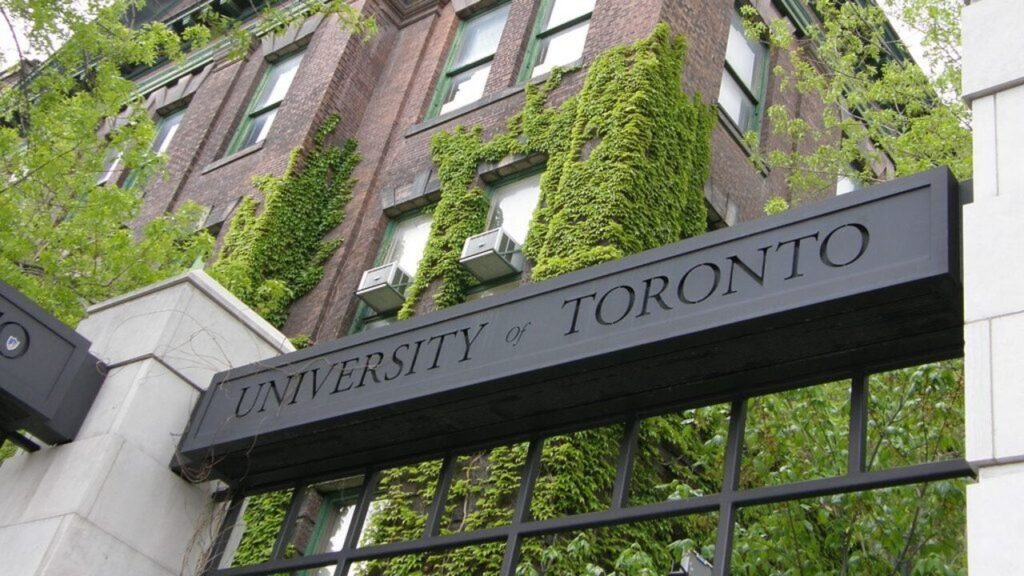
Top Universities in Canada (2026 Rankings)
If you are looking for the best universities, Canada has several that rank in the top 100 globally. Here are the top choices:
- University of Toronto: Best for Research and Medicine. utoronto.ca
- University of British Columbia (UBC): Famous for its beautiful campus and Business programs. ubc.ca
- McGill University: Located in Montreal, known for Law and Arts. mcgill.ca
- University of Alberta: Great for Engineering and Energy studies. ualberta.ca
- University of Waterloo: The best place for Computer Science and Co-op programs. uwaterloo.ca
Also Read: Bachelor’s Degree in Criminal Justice: Future, Prospects, and Job Opportunities
Country Comparison: Canada vs. The World
How does Canada stand against other popular countries? Let’s look at this comparison table for 2026:
| Feature | Canada | Germany | USA | UK | Australia |
| Tuition Fees | Moderate | Very Low/Free | Very High | High | High |
| Living Cost | Moderate | Moderate | High | High | High |
| Work Permit | Up to 3 Years | 18 Months | 1-3 Years (STEM) | 2 Years | 2-4 Years |
| PR Pathway | Very Easy | Moderate | Hard | Hard | Moderate |
| Language | English/French | German | English | English | English |
Work Permits and Job Opportunities
One of the biggest reasons to choose Canada is the work permit facility.
Working While Studying
As a student, you are allowed to work up to 24 hours per week off-campus during your semester. During summer or winter breaks, you can work full-time (40 hours). This is a great way to cover your grocery and phone bills.
Post-Graduation Work Permit (PGWP)
After you graduate from a “Designated Learning Institution” (DLI), you can apply for a PGWP.
- If your course was 8 months to 2 years, you get a permit for the same length.
- If your course was 2 years or more, you can get a 3-year work permit.
This permit allows you to work for any employer in Canada and is the first step toward becoming a Permanent Resident (PR).

Scholarship Facilities
Many students ask, “Can I study in Canada for free?” While fully funded scholarships are rare, many universities offer “Entrance Scholarships” based on your marks.
- Lester B. Pearson International Scholarship: Covers tuition, books, and full living costs at the University of Toronto.
- Vanier Canada Graduate Scholarships: Worth $50,000 per year for PhD students.
- University-specific awards: Most universities automatically consider you for a $2,000 to $5,000 scholarship if your grades are high.
Best Subjects and Expenses
When you are deciding to study in Canada, choosing the right subject is the most important step for your future. If you pick a subject that is in high demand, you will find it much easier to get a high-paying job and even get Permanent Residency (PR) later.
In 2026, Canada’s job market is looking for specialists in technology, healthcare, and engineering. Below, we discuss the best subjects to study in Canada that offer the best prospects and opportunities.
1. Information Technology (IT) and Computer Science
This is currently the Number-1 field in Canada. Because the world is becoming digital, Canadian companies need experts to build and protect their systems.
- Best Specializations: Artificial Intelligence (AI), Cybersecurity, Data Science, and Software Development.
- Why it’s good: Tech professionals are needed in every province, and the salaries are among the highest.
- Average Salary: CA$70,000 to CA$120,000 per year.
2. Healthcare and Nursing
Canada has an aging population, which means they need more nurses and healthcare workers than ever before. This is one of the most stable career paths you can choose.
- Best Specializations: Registered Nursing, Health Administration, and Public Health.
- Why it’s good: It is very easy to get PR if you are in the healthcare sector because of the national shortage.
- Average Salary: CA$60,000 to CA$100,000 per year.
3. Engineering
Engineers are the backbone of Canada’s infrastructure and energy sectors. If you love solving problems and building things, this is for you.
- Best Specializations: Civil, Mechanical, Electrical, and Environmental Engineering.
- Why it’s good: Provinces like Alberta and Ontario have many big projects that constantly need engineers.
- Average Salary: CA$75,000 to CA$130,000 per year.
4. Business and Finance
Canada is a global hub for trade and banking. A business degree from a Canadian university is respected worldwide.
- Best Specializations: MBA, Business Analytics, Accounting, and Supply Chain Management.
- Why it’s good: It prepares you for leadership roles in top Canadian banks and multinational corporations.
- Average Salary: CA$55,000 to CA$95,000 per year (much higher for MBA graduates).
5. Early Childhood Education (ECE)
If you enjoy working with children, this is a “hidden gem” subject. Canada is investing heavily in childcare, making ECE teachers very much in demand.
- Why it’s good: It offers a very quick and clear pathway to Permanent Residency in many provinces.
- Average Salary: CA$35,000 to CA$50,000 per year.

Comparison of Top Subjects and Job Prospects (2026)
| Subject Area | Job Demand | PR Difficulty | Top University |
| IT & Computer Science | Very High | Easy | University of Waterloo |
| Nursing & Health | Extreme | Very Easy | McMaster University |
| Engineering | High | Easy | University of Toronto |
| Business/MBA | High | Moderate | York University (Schulich) |
| Early Childhood Ed. | High | Very Easy | George Brown College |
Are there any Tuition-free Universities in Canada?
Many students dream of finding a tuition-free university in Canada, but here is the honest truth: There are no universities in Canada that offer “free” tuition as a standard rule, especially for international students. Unlike some public universities in Germany, Canadian institutions rely on student fees to maintain their high quality of education.
However, do not let this discourage you! While “free” universities don’t exist, there are two ways you can study in Canada with zero or very low costs.
1. Fully Funded Scholarships (The “Free” Path)
This is the only way to study for free. A “fully funded” scholarship covers 100% of your tuition, your books, and even your living expenses. These are very competitive, but if you have excellent grades, you can apply for these:
- Lester B. Pearson International Scholarship: This is Canada’s most famous scholarship at the University of Toronto. It covers tuition, books, incidental fees, and full residence support for four years. Apply here.
- Karen McKellin International Leader of Tomorrow Award: Offered by the University of British Columbia (UBC), this award is based on financial need and academic merit. It can cover your entire cost of study. Apply here.
- University of Winnipeg President’s Scholarship: This is for “World Leaders” and offers significant funds that can cover a large part of your expenses. Apply here.
2. The Cheapest Universities (Low-Cost Path)
If you cannot get a full scholarship, your best option is to choose a university in a province with lower costs. Some of these universities have tuition fees that are much lower than the Canadian average.
| University Name | Province | Estimated Tuition (Per Year) | Best Subjects |
| Memorial University | Newfoundland | CA$11,500 – $15,000 | Engineering, Science |
| Brandon University | Manitoba | CA$14,000 – $18,000 | Arts, Education |
| Univ. of Prince Edward Island | PEI | CA$13,500 – $17,000 | Business, Nursing |
| Univ. of Northern BC | BC | CA$18,000 – $22,000 | Health, Environment |
Why are some universities cheaper?
You might wonder why Memorial University or Brandon University are so much cheaper than the University of Toronto.
- Provincial Support: These provinces provide more funding to their schools to attract international talent.
- Location: They are in “regional” areas. This means your rent and food will also be cheaper than in big cities like Toronto or Vancouver.
- Community Focus: These schools focus on smaller class sizes and helping the local economy, so they keep fees manageable for everyone.
How to Manage visa of Canada
Managing your visa is often the most stressful part of the journey to study in Canada, but if you follow the right steps, it becomes much easier. In 2026, the Canadian government has introduced some new rules to make the process more organized.
Here is a simple, step-by-step guide on how to manage your Canadian Study Permit (Visa) application like a pro.
1. Get Your Letter of Acceptance (LOA)
Before you can even look at a visa form, you must have an official Letter of Acceptance from a Designated Learning Institution (DLI).
Tip: Make sure your school is a DLI, or your visa will be rejected automatically. You can check the list on the official Canada.ca website.
2. Obtain a Provincial Attestation Letter (PAL)
In 2026, most undergraduate students need a Provincial Attestation Letter (PAL). Your university usually applies for this on your behalf after you pay your tuition deposit.
- Note: If you are a Master’s or PhD student, you are exempt from this requirement as of January 1, 2026!
3. Prepare Your Financial Documents (Proof of Funds)
This is where many students make mistakes. You must prove you have enough money to cover your first year of tuition and living expenses.
- The GIC Method: For students from India and several other countries, opening a Guaranteed Investment Certificate (GIC) of CA$22,895 (the updated 2026 amount) is the most trusted way to show living expenses.
- Bank Statements: If you are not using a GIC, you need 4–6 months of bank history showing stable funds.
4. Write a Strong Statement of Purpose (SOP)
Your SOP is your “voice” to the visa officer. You must explain:
- Why you want to study this specific course.
- Why you chose Canada instead of your home country.
- Most Importantly: Your plan to return home after your studies. The officer needs to know you are a genuine student.
5. Medical Exam and Biometrics
- Medical: You must visit an IRCC-approved doctor for a check-up.
- Biometrics: Once you submit your application, you will get a letter to give your fingerprints and photo at a VFS Global center (available in major cities in India and Bangladesh like Delhi, Mumbai, Dhaka, and Chittagong).
Study in Canada: FAQs
Can I work in Canada while I study?
Yes, you can work up to 24 hours a week off-campus during class time and full-time during your official school holidays.
Is Canada cheaper than the USA for students?
Generally, yes. Tuition fees in Canada are often 20% to 30% lower than in the United States, and the cost of living is also slightly lower.
What is a PGWP?
It stands for Post-Graduation Work Permit. It allows you to stay and work in Canada for up to 3 years after finishing your degree.
Do I need to know French to study in Canada?
No. While French is spoken in Quebec, most universities across Canada teach entirely in English. You just need an English test like IELTS or PTE.
Conclusion
In short, choosing to study in Canada is a life-changing decision. It offers a perfect mix of high-quality education, a chance to earn while you learn, and a clear path to staying in the country after graduation. While the initial costs might seem high, the long-term rewards in terms of career and quality of life are worth every penny. If you are ready to take the next step, start looking for your favorite university today!
Sources of Data:
- Immigration, Refugees and Citizenship Canada (IRCC) Official 2026 Guidelines.
- Statistics Canada – International Student Tuition Report.
- Times Higher Education World University Rankings 2026.
- UniversityStudy.ca – Cost of Living and Housing Data.
 Follow us on Google News for latest Scholarships!