
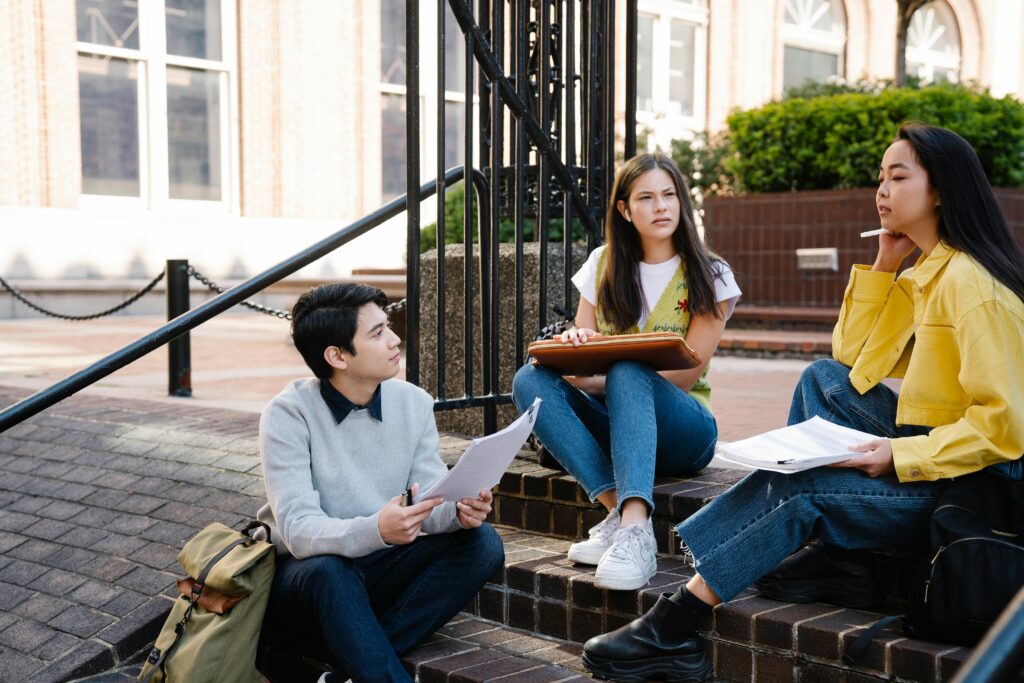
If you are very much interested to study in Japan and are trying to find a complete guide on the Japan student visa, then this post is for you. Japan has some of the best universities in the world, especially for technology and research. And here’s the thing: if you want a high-quality education and a peaceful life, Japan gives you great options. Thousands of students from India, Bangladesh, and other Asian and European countries dream of studying in the “Land of the Rising Sun” because of its unique culture and advanced lifestyle.
Getting a Japan student visa might seem like a long process, but it is actually very structured and fair. In this article, we will talk about everything you need to know, from the step-by-step application process to expenses, scholarships, and work permit rules for 2026.

Why Study in Japan? The Land of Opportunities
Japan has become one of the most attractive destinations for international students around the world. It is not just about the robots and anime; it is about a world-class education system that ranks among the top in Asia.
- High Education Standards: Japanese degrees are highly respected globally.
- Safety and Hospitality: Japan is one of the safest countries in the world with a very polite society.
- Technological Hub: For students of Science and Engineering, Japan is a heaven for research.
- Career Growth: The Japanese government is making it easier for foreign students to stay and work after graduation.
ALSO READ: US Student Visa: How to Get Easily-Step-by-Step Guide
Japan Student Visa: Step-by-Step Guide
To get a Japan student visa easily, you must follow a specific sequence. Unlike many Western countries, the process starts with an “Eligibility Certificate.”
Step 1: Find a School and Get Admission
First, you must apply to a Japanese university or a Japanese language school. Once you are accepted, the school will act as your “sponsor.”
Step 2: Certificate of Eligibility (COE)
This is the most important step. Your school in Japan will apply for a Certificate of Eligibility (COE) at the Japanese Immigration Bureau on your behalf. This document proves that you meet the requirements to enter Japan as a student.
Step 3: Receive the COE and Pay Tuition
The COE usually takes 2 to 3 months to be issued. Once the school receives it, they will send you a copy. You will then need to pay your first semester’s tuition fees. After payment, the school will send you the original COE by post.
Step 4: Visa Application at the Embassy
Once you have the original COE, take it to the Japanese Embassy or Consulate in your home country. You will fill out the visa application form and submit your passport.

Necessary Documents for Japan Student Visa
To ensure you get your visa without any trouble, keep these documents ready:
- Valid Passport: Should have at least 6 months of validity.
- Visa Application Form: Duly filled and signed.
- Passport Size Photos: Two recent photos (2×2 inch, white background).
- Certificate of Eligibility (COE): The original document sent by your school.
- Admission Letter: The official acceptance letter from your Japanese university.
- Academic Certificates: Marksheets and certificates of your last education (SSC/HSC or Graduation).
- Language Proficiency: JLPT certificate (N5 or higher) or proof of 150 hours of Japanese language study.
- Financial Documents: Bank statements showing you have at least ¥2,000,000 (approx. $13,500) to cover your costs.
Expenses: Course Fees and Living Costs
Planning your budget is very important. Japan is more affordable than the USA or UK, but you still need a clear plan.
Tuition Fees (Approximate Annual)
| Institution Type | Annual Tuition (JPY) | Annual Tuition (USD) |
| National Universities | ¥535,800 – ¥800,000 | $3,600 – $5,400 |
| Public Universities | ¥600,000 – ¥900,000 | $4,000 – $6,000 |
| Private Universities | ¥800,000 – ¥1,500,000 | $5,400 – $10,000 |
| Language Schools | ¥600,000 – ¥800,000 | $4,000 – $5,400 |
Living Expenses
On average, a student needs about ¥100,000 to ¥150,000 ($670 – $1,000) per month.
- Rent: ¥30,000 – ¥60,000 (Dorms are cheaper than private apartments).
- Food: ¥30,000 – ¥45,000 (Cooking at home saves a lot of money).
- Transport & Utilities: ¥15,000 – ¥20,000.
Best Subjects and Why You Should Choose Japan
Japan is a global leader in specific fields. Choosing these subjects will give you a better career path.
- Robotics and AI: Japan is the world leader in robotics. Universities like Tokyo Institute of Technology are the best for this.
- Automotive Engineering: Home to Toyota and Honda, Japan offers the best practical knowledge in car manufacturing.
- Business and Management: Tokyo is a global financial hub. An MBA in Japan opens doors to the Asian market.
- Japanese Language and Culture: If you want to work in translation or international relations, studying the language in its home country is the best choice.
Comparison: Japan vs. USA vs. UK vs. Germany vs. Australia (2026)
| Feature | Japan | Germany | USA | UK | Australia |
| Tuition Fees | Moderate | Very Low/Free | Very High | High | High |
| Living Cost | Moderate | Moderate | High | High | High |
| Work Permit | 28 Hours/Week | 20 Hours/Week | 20 Hours/Week | 20 Hours/Week | 24 Hours/Week |
| PR Pathway | Moderate | Easy | Hard | Hard | Moderate |
| Safety | Excellent | Very Good | Good | Good | Very Good |
Top 10 Universities in Japan for International Students
Here are the best institutions with their websites:
- The University of Tokyo
Website: https://www.u-tokyo.ac.jp/en/ - Kyoto University
Website: https://www.kyoto-u.ac.jp/en - Tokyo Institute of Technology
Website: https://www.titech.ac.jp/english - Osaka University
Website: https://www.osaka-u.ac.jp/en - Tohoku University
Website: https://www.tohoku.ac.jp/en/ - Nagoya University
Website: https://en.nagoya-u.ac.jp/ - Kyushu University
Website: https://www.kyushu-u.ac.jp/en/ - Hokkaido University
Website: https://www.global.hokudai.ac.jp/ - Waseda University
Website: https://www.waseda.jp/top/en - Keio University
Website: https://www.keio.ac.jp/en/
Scholarships and Working Beside Study
Scholarship Facility
Can you study in Japan for free? While “tuition-free” universities don’t exist, the MEXT Scholarship (Japanese Government Scholarship) is one of the best in the world. It covers:
- Full tuition fees.
- Monthly allowance of ¥117,000 – ¥145,000.
- Round-trip airfare.
Other options include JASSO Scholarships and university-specific tuition reductions (often 30% to 50% off).

Work Permit for Students
Japan is very generous with work permits.
- During Semester: You can work up to 28 hours per week with a simple permit from immigration (usually granted at the airport).
- During Breaks: During summer or winter holidays, you can work up to 40 hours per week.
- Typical Jobs: Convenience stores (Konbini), restaurants, teaching English, or warehouse work.
Japan student visa: FAQs
Is it easy to get a student visa for Japan in 2026?
Yes, if you have a Certificate of Eligibility (COE) and meet the language requirements, the visa success rate is very high.
How much bank balance is required for a Japan student visa?
Typically, you need to show around ¥2,000,000 (about $13,500) to prove you can support yourself for one year.
Can I study in Japan without knowing Japanese?
Yes, many universities offer English-medium programs. However, for a student visa, you usually need at least 150 hours of Japanese study or a JLPT N5 certificate.
Can I stay in Japan after my studies?
Yes, you can switch your student visa to a “Designated Activities” visa to look for a job, and then to a work visa once you are hired.
Japan student visa: Conclusion
In conclusion, obtaining a Japan student visa is a golden ticket to a bright future. Although you need to learn basic Japanese and prepare your financial documents carefully, the rewards are worth it. Japan offers a perfect blend of tradition and modern technology, making it a unique place to grow as a student and a professional. If you have a passion for learning and want to experience a disciplined yet exciting life, Japan is waiting for you!
Sources of Information:
- Ministry of Foreign Affairs of Japan (MOFA)
- Japan Student Services Organization (JASSO)
- Embassy of Japan in Bangladesh/India
- MEXT (Ministry of Education, Culture, Sports, Science and Technology) Official Guidelines 2026
 Follow us on Google News for latest Scholarships!